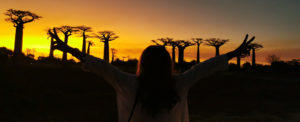
12 days Madagascar discovering tour | Madagascar Group Tours in 2026

BEST SELLER 2025 GROUP TOURS
From$6,070
BEST SELLER 2025 GROUP TOURS
From$6,070
Booking Form
Enquiry Form
Full Name*
Email Address*
Your Enquiry*
* I agree with Terms of Service and Privacy Statement.
Please agree to all the terms and conditions before proceeding to the next step
Room 1 :
Room 1 :
* Please select all required fields to proceed to the next step.

Proceed Booking

Save To Wish List

Adding item to wishlist requires an account

217930

SUMMARY

Madagascar Tours & safaris package

Guaranteed Group Tours Departure Dates:

June 19th, 2026
July 17th, 2026
August 14th, 2026
September 18th, 2026
October 16th, 2026

DURATION : 12 days
AREA               : East, West and South of Madagascar
GROUP SIZE : Min 4pax – max 12pax  Madagascar Tours & Safaris Packages
PLACES TO VISIT : Antananarivo – Andasibe – Morondava – Antsirabe – Ranomafana- Isalo – Tulear
ACCOMODATION TYPE : The best in each stop (Half Board)
TRANSPORT TYPE: Private car/Regular Flight
BACK TO ANTANANARIVO: Regular Flight
ASSISTANCE: Guide / Local Guide
AVAILABILITY: FROM MAY TO THE END OF NOVEMBER

12 DAYS MADAGASCAR DISCOVERING TOUR PACKAGES

DOWNLOAD PDF

Send download link to:

DAY 1: ARRIVAL TIME - ANTANANARIVO - ANDASIBE (PERINET)

Arrival & First Experiences on Your Madagascar Group Safari Tour

Arrival at Ivato International Airport

Your Madagascar group safari tour begins as soon as you land at Ivato International Airport. Upon arrival, the group is warmly welcomed by the HT Agency Tours team. Once you clear customs formalities, our guide assists you through the rest of the arrival process. This includes exchanging currency, purchasing a local SIM card for the tour leader, and helping with any additional needs. This smooth welcome ensures that your adventure starts comfortably and without stress.


Scenic Transfer to Marozevo and Visit to the André Pereyras Reserve

After completing arrival procedures, we begin a scenic drive directly toward Marozevo. During this journey, you will quickly notice Madagascar’s unique landscapes. Additionally, this first road transfer gives everyone an excellent opportunity to enjoy picturesque views of the highlands.

The André Pereyras Reserve

Our first major stop is the well-known private reserve of naturalist André Pereyras. This wildlife breeding center is an ideal introduction to Madagascar’s biodiversity. Here, you can observe:

  • Several species of chameleons

  • Beautiful butterflies

  • Leaf-tailed geckos

  • Lemurs

  • A variety of reptiles and amphibians

Moreover, the center provides an excellent overview of the wildlife you will encounter during the rest of your Madagascar group safari tour. As we continue eastward on National Road Number 2, you will also enjoy panoramic views of stepped rice fields, a typical feature of the region.


Journey Toward Andasibe & Immersion in the Eastern Rainforest

Before reaching Andasibe, the road takes you through a combination of mountains, valleys, and dense green vegetation. The scenery gradually transforms into lush rainforest as we approach the eastern corridor. In addition, several scenic stops along the route allow the group to admire the beauty of Madagascar’s natural environment.

Arrival in Andasibe

Once we arrive in the world-renowned Andasibe–Perinet region, you immediately feel the shift into a more humid, wildlife-rich area. Known for its iconic primary forest, Andasibe is one of the best places to observe Madagascar’s endemic species.

After checking in at your hotel around 6:30 PM, you will have a short rest before starting the evening activity. This first night walk is one of the highlights of a Madagascar group safari tour, as it introduces you to the island’s nocturnal wildlife.

Guided Night Walk Experience

During the guided night walk—lasting approximately 1 hour and 30 minutes—you explore the forest edges in search of:

  • Mouse lemurs

  • Chameleons

  • Tree frogs

  • Other nocturnal species

This activity offers an exciting start to your adventure, and it provides excellent opportunities for photography and observation. Afterwards, the group returns to the hotel to enjoy a relaxing evening and prepare for the next day.

Night at MANTADIA LODGE (Half Board)

DAY 2: ANDASIBE (PERINET) - ANTANANARIVO

Early Morning Departure for Analamazaotra National Park

Today, your Madagascar group safari tour continues with a guided exploration of Analamazaotra National Park, one of the most iconic rainforest reserves in the country. To maximize your chances of unforgettable wildlife sightings, it is recommended to leave the hotel early—around 7:30 AM. By starting early, you increase the likelihood of encountering the famous Indri-Indri and the spectacular Diademed Sifaka in their natural forest habitat.

The guided visit generally lasts about three hours, offering the ideal balance between wildlife encounters, photography opportunities, and learning about the park’s extraordinary biodiversity.


Discovering the Indri-Indri: The Star of Analamazaotra

As you approach the forest, you may already hear the distinctive call of the Indri-Indri echoing across the canopy. This haunting sound is one of the most memorable experiences of a Madagascar group safari tour. The Indri’s call can be heard from very early morning until noon, and again in the late afternoon, carrying effortlessly through the trees.

A Closer Look at the Indri-Indri

The Indri (known locally as Babakoto) is the largest living lemur species, reaching nearly 1 meter in height. Andasibe is considered the best place in the world to observe this species, especially because several Indri families here are habituated to human presence. Despite this, the species remains extremely vulnerable, as it cannot survive in captivity, which makes every encounter precious and meaningful.

Legends and Cultural Importance

Because the Indri is considered a sacred animal throughout Madagascar, numerous local legends explain its origins. These stories contribute to its strong cultural significance and help reinforce conservation awareness among communities and visitors.

Other Lemur Species in the Park

Moreover, Analamazaotra is home to 13 additional lemur species, making it one of the richest primate habitats in the region. During the visit, you may encounter:

  • Diademed sifaka

  • Woody lemur

  • Grey bamboo lemur

  • Brown lemur

  • Red mouse lemur

  • Red-bellied lemur

  • Black-and-white ruffed lemur

  • Aye-aye (rare)

With such an impressive range of species, the park is a highlight for anyone joining a Madagascar group safari tour.


Before Leaving Andasibe: Visit Lemurs’ Island and Vakona Reserve

Before departing from Andasibe, your adventure continues with a close-up wildlife experience.

Lemurs’ Island Experience

First, you will enjoy a remarkable and intimate interaction with lemurs on the famous Lemurs’ Island, a sanctuary where several semi-habituated species live in a natural environment. This stop offers incredible photographic opportunities and creates lasting memories for every traveler.

Discovering Vakona Reserve

Next, you will head to the Vakona Reserve Zoo, where you can observe additional species in well-maintained surroundings. During this visit, you will see:

  • Crocodiles in their river enclosure

  • A variety of native birds

  • Several small endemic mammals

  • Additional lemur species

This combination of activities adds depth to your Madagascar group safari tour, offering both rainforest immersion and wildlife conservation insight.


Return to Antananarivo

After completing your visits in Andasibe, you will depart directly for Antananarivo, the capital city. The drive offers one last opportunity to enjoy the lush eastern landscape before returning to the highlands. This road transfer marks the end of a memorable wildlife day filled with unique encounters and stunning natural beauty.

Night at NOVOTEL (Half Board)

DAY 3: ANTANANARIVO – MORONDAVA – KIRINDY (Domestic flight)

Morning Transfer and Domestic Flight to Morondava

After breakfast, your Madagascar group safari tour continues with a transfer to Ivato Airport for your domestic flight from Antananarivo (TNR) to Morondava (MOQ). The flight departs at 11:00 AM and lands on the west coast at approximately 12:00 PM. This quick journey takes you from the highlands to the dry western region, offering impressive aerial views as you approach the coastline.

Once you arrive in Morondava, you immediately begin your overland adventure. The group will drive directly north for roughly 42 km, following a secondary road that is slightly winding. Despite this, the landscapes are beautiful and gradually transition into the dry deciduous forest typical of the region. Eventually, you reach the famous Kirindy Park, where you will check in at your lodge, Relais du Kirindy.


Evening Exploration: Guided Night Walk in Kirindy Reserve

Kirindy at Night: A Key Highlight of Any Madagascar Group Safari Tour

After settling in, your evening becomes one of the most exciting wildlife moments of your Madagascar group safari tour. Around 6:30 PM, you begin a guided night walk inside Kirindy Reserve, a protected area known for its exceptional nocturnal biodiversity.

Wildlife Encounters During the Night Walk

Kirindy is widely recognized as the best place in Madagascar to observe the fosa, the island’s top mammalian predator. Because the species is elusive during the day, nighttime increases your chances of spotting it.

In addition to the fosa, Kirindy hosts an impressive collection of nocturnal lemurs and other wildlife. During the walk, you may encounter:

  • Coquerel’s giant mouse lemur

  • Pygmy mouse lemur

  • Fork-crowned lemur

  • Grey mouse lemur

  • Western fat-tailed dwarf lemur

  • Red-tailed sportive lemur

These species represent some of Madagascar’s most unique primates, making this night walk a major highlight.

Additional Nocturnal Wildlife

Moreover, Kirindy’s forest is home to several other fascinating nocturnal animals. While exploring, you might also observe:

  • Bats of various species

  • Tenrecs

  • Mongoose

  • Several endemic rodent species

This combination of biodiversity makes Kirindy one of the most rewarding destinations for nighttime wildlife observation.

Night at RELAIS DU KIRINDY (Half Board)

DAY 4: KIRINDY – BEKOPAKA

Early Morning Start in Kirindy Reserve

Your Madagascar group safari tour continues with an exciting early morning exploration of Kirindy Reserve. Around 7:00 AM, you begin your guided daytime visit, which offers a completely different perspective of the forest compared to the night walk. Morning light provides excellent visibility, and animals are especially active at this time of day, giving you a better chance to observe their natural behavior.


Lemur Species Observed During the Day Visit

Kirindy Reserve is home to seven species of lemurs, making it one of the most biologically rich dry forests in Madagascar. Among the species you may encounter, the most common include:

Common Brown Lemurs

These social lemurs often move in groups and are typically seen foraging for food in the lower and middle canopy layers.

Verreaux’s Sifakas

Verreaux’s sifakas are among Kirindy’s most iconic inhabitants. These striking lemurs — characterized by their white fur with contrasting dark patches — are known for their extraordinary locomotion. They leap effortlessly between tree trunks, maintaining an upright posture while propelling themselves with powerful hind legs. Watching them “dance” across open ground is one of the most memorable wildlife moments of any Madagascar group safari tour.


Birds, Reptiles, and Amphibians of Kirindy

In addition to lemurs, Kirindy’s biodiversity is remarkably rich. The reserve hosts:

  • 40 bird species

  • 50 reptile species

  • 15 amphibian species

Because of this diversity, the forest offers exceptional opportunities for wildlife photographers, birdwatchers, and anyone interested in Madagascar’s endemic ecology. Species vary by season, yet the dry forest always provides remarkable encounters.


Travel Toward Belo sur Tsiribihina

After completing your visit of Kirindy Reserve, you return to the main road to continue your adventure. Shortly afterward, you board a local ferry that transports both passengers and vehicles across the river. This crossing is an authentic travel moment and adds a sense of exploration to your Madagascar group safari tour.

Once you reach the other side, you soon arrive at the small village of Belo sur Tsiribihina, where the group stops for lunch. This break allows everyone to rest, enjoy a meal, and experience life in a typical western Madagascar village.


Scenic Drive to Bekopaka

Following lunch, your journey continues northward through a picturesque landscape of rice fields, scattered palm trees, and traditional villages. The drive offers excellent insight into rural Malagasy life.

As the day progresses, you travel deeper into the western region, eventually reaching Bekopaka in the late afternoon. This quiet village serves as the gateway to Tsingy de Bemaraha, one of the most extraordinary destinations of your Madagascar group safari tour.

Night at SOLEIL DU TSINGY (Half Board)

DAY 5: BEKOPAKA (Tsingy de Bemaraha)

Beginning Your Adventure in the Grand Tsingy

Your Madagascar group safari tour continues today with one of the most extraordinary landscapes on the planet: the Tsingy de Bemaraha National Park, a UNESCO World Heritage Site. The day begins with a guided visit to the Grand Tsingy, the park’s most iconic and dramatic section.

In consultation with your local guide and your driver, you can choose the circuit that matches your preferred level of adventure. Fortunately, Tsingy de Bemaraha offers several routes, ranging from easy forest walks to more technical circuits that include rope bridges, caves, and elevated viewpoints. Because the terrain is incredibly varied, there are circuits suitable for every level of fitness.

As you explore, you will quickly notice that nature appears perfectly balanced with this ancient limestone world. The towering, sharp pinnacles—shaped over millions of years—create a natural cathedral of stone that feels both wild and harmonious.


Flora of the Tsingy: A Unique Dry Forest Ecosystem

The Grand Tsingy is surrounded by a dry western deciduous forest, home to a range of plant species specially adapted to the limestone environment. Throughout your walk, your guide will introduce you to several fascinating plants, including:

  • Species of Aloe

  • The distinctive baobab Adansonia

  • The flamboyant tree with its vibrant red blossoms

  • Madagascar’s native banana, Musa perrier

  • Succulents such as pachypodium, thriving in rocky formations

  • Endemic orchids attached to the cliffside vegetation

Because of the extreme conditions, many of these plants have evolved unique methods of storing water and resisting heat, making the flora of Tsingy de Bemaraha completely unique.


Fauna of the Tsingy: Remarkable Biodiversity Amid the Rocks

The fauna of Tsingy de Bemaraha is equally captivating. While walking through the park, you may encounter:

  • The stump-tailed chameleon (Brookesia perarmata)

  • 53 species of birds, many of them endemic

  • 7 species of lemurs, including the well-known Decken’s sifaka (Propithecus verreauxi deckeni)

Observing wildlife within such a dramatic karst landscape is one of the most unforgettable experiences of a Madagascar group safari tour. The combination of towering rock formations and rare endemic species creates a truly world-class nature experience.


Picnic Lunch in the Heart of the Tsingy

Around midday, your guide organizes a picnic lunch in a shaded natural area. This break is a perfect opportunity to relax, enjoy the peaceful surroundings, and replenish your energy before continuing your exploration.

Because the Tsingy environment can be physically demanding, this pause ensures everyone remains comfortable and ready for the afternoon adventure.


Afternoon Exploration of the Small Tsingy

After lunch, your Madagascar group safari tour continues with a guided visit to the Small Tsingy, located near the village of Bekopaka. Although smaller in scale than the Grand Tsingy, this section offers equally impressive landscapes and easier walking trails.

The Small Tsingy is known for:

  • Narrow limestone corridors

  • Natural caves

  • Elevated viewpoints

  • Sharp rock formations sculpted by erosion

  • Beautiful forest patches sheltering wildlife

Together, the Grand Tsingy and Small Tsingy provide a complete and immersive introduction to one of Madagascar’s most iconic natural wonders.

Night at SOLEIL DU TSINGY (Half Board)

DAY 6: BEKOPAKA - MORONDAVA

Morning Departure Toward Morondava

Just after breakfast, your Madagascar group safari tour continues with a scenic journey back toward Morondava. You begin the drive by retracing the road from Bekopaka, where you once again take in the distinctive landscapes of western Madagascar. The morning air is cooler, making this a comfortable and pleasant time to travel.


Lunch Break in Belo sur Tsiribihina

As you reach the riverside town of Belo sur Tsiribihina, the group stops for lunch. This break offers a welcome moment to relax before continuing to the coast. In addition, it provides another opportunity to observe daily life in a typical Malagasy village, where wooden houses, bustling market stalls, and friendly locals create an authentic cultural atmosphere.


Afternoon Journey With Two Iconic Baobab Stops

After lunch, your journey continues south toward Morondava. Along the way, the group makes two exceptional stops, both of which are essential highlights of any Madagascar group safari tour.

Stop 1: Baobab Amoureux

The first stop is Baobab Amoureux, a pair of intertwined baobabs whose shape resembles two trees embracing each other. According to local beliefs, this natural formation symbolizes unity and eternal connection. It’s a peaceful, beautiful location and an excellent place for unique photos.

Stop 2: Avenue of the Baobabs at Sunset

Next, you head to the world-famous Avenue of the Baobabs, also known as the Streets of Baobabs. This iconic site is one of Madagascar’s most photographed landscapes. Thanks to the warm golden light of late afternoon, the baobabs appear even more majestic, and the atmosphere becomes magical as the sun slowly descends behind their silhouettes.

Experiencing sunset here is often described as one of the most memorable moments of a Madagascar group safari tour.


Arrival in Morondava and Hotel Transfer

Following your sunset experience, you continue the short remaining drive to Morondava. You arrive in the early evening and proceed directly to your hotel for check-in. This marks the end of a spectacular day filled with natural wonders, cultural encounters, and unforgettable scenery.

Night at PALISSANDRE (Half Board)

DAY 7: MORONDAVA - ANTSIRABE

Long Scenic Transfer to Antsirabe on Your Madagascar Group Safari Tour

Today, your Madagascar group safari tour continues with a long but scenic overland transfer toward the central highlands. Because the distance is considerable, it is best to leave Morondava at 7:00 AM. After breakfast, you begin the journey inland, driving through the vast and beautiful landscapes of the Menabe region.

Along the route, you will notice how the scenery gradually changes. First, you follow dusty plains, then the terrain shifts into spectacular red hills, a signature feature of Madagascar’s western interior. Additionally, several stops can be made along the way for pictures, stretching, and short breaks whenever needed.


Lunch Stop in Miandrivazo

Around midday, you stop in Miandrivazo for lunch. This small riverside town is one of the hottest places in Madagascar, yet it offers a pleasant break and a good opportunity to refresh before continuing toward the highlands. The meals here are simple but satisfying, and the stop allows everyone to regain energy during this long driving day.

After lunch, the journey continues, and the road begins to climb steadily toward the cooler central plateau.


Arrival in Antsirabe: A Charming Highland Town

What to Expect in Antsirabe

Your destination today is the elegant highland town of Antsirabe, a place that contrasts sharply with the western landscapes you left behind. As you enter the city, you immediately notice its wide colonial boulevards, colorful rickshaws, and tree-lined avenues. Because of its altitude, Antsirabe has a cooler and more temperate climate, which many travelers appreciate after days in warmer regions.

A Glimpse Into Antsirabe’s Identity

Often called “The Place of Salt,” Antsirabe is well known for several reasons:

  • It is the beer-brewing capital of Madagascar.

  • The town is famous for its handicraft workshops.

  • Founded by Norwegian missionaries in 1856, it has a unique architectural style.

  • Its volcanic lakes add serene beauty to the surrounding landscape.

Moreover, Antsirabe is the only town in Madagascar that truly resembles a European city, especially thanks to its thermal spa, elegant buildings, and historic railway station.

Agricultural Diversity

Because of its cooler climate, many fruits and vegetables that typically grow in temperate regions thrive here. This gives the region a very different agricultural landscape compared to the coastal areas.


Hotel Check-In

Upon arrival in the late afternoon or early evening, you proceed directly to your hotel for check-in. After a long day on the road, this peaceful town offers a pleasant place to rest before continuing your Madagascar group safari tour in the coming days.

Night at ARO HOTEL (Half Board)

DAY 8: ANTSIRABE - RANOMAFANA

Morning Rickshaw Tour Through Antsirabe

After breakfast, your Madagascar group safari tour continues with a charming exploration of Antsirabe by traditional rickshaw. This colorful mode of transport is an emblem of the city and offers a pleasant, authentic way to appreciate Antsirabe’s colonial elegance.

During this short city tour, you will visit:

  • The historic railway station, an impressive structure dating back to the early 20th century

  • Independence Avenue, a wide boulevard lined with trees and classic buildings

  • Hôtel des Thermes, one of Antsirabe’s most iconic landmarks

These visits help you discover the unique character of a town shaped by European architecture, natural springs, and a strong artistic identity.


Visit to Artisans and Precious Stone Workshops

Following the rickshaw tour, you explore several artisan workshops where local craftspeople work with precious and semi-precious stones, a specialty for which Antsirabe is widely known. Here, you can observe how stones are cut, polished, and transformed into remarkable pieces of jewelry and decorative art.

Because the city is a creative hub, you will also have the chance to see various other crafts such as embroidery, recycled materials artwork, and miniature bicycles or cars made from metal wire. These activities highlight the ingenuity and craftsmanship that characterize the Highlands region.


Departure From Antsirabe: Scenic Highlands Landscapes

Crossing the Tapia Forest and Highland Villages

As you leave Antsirabe, your Madagascar group safari tour continues through the stunning landscapes of the central Highlands. The scenic drive reveals ornately carved wooden houses, colorful shutters, and villages surrounded by agricultural terraces.

A notable part of the journey takes you through “Le Col de Tapia,” an area dominated by the tapia tree. This tree is particularly important in Malagasy culture because it is resistant to bush fires and supports native silkworm species used in traditional silk production.

Moreover, the landscape is beautifully varied, featuring:

  • Bright green rice fields

  • Eucalyptus and pine forests

  • Rolling rocky hills

  • Red earth contrasting with wide open skies

These elements create one of the most photographed regions of the island.


Arrival in Ambositra: Capital of Malagasy Arts and Crafts

Your next major stop is Ambositra, known as the artistic heart of Madagascar. The town is a vibrant center for traditional woodcarving and marquetry.

Here, you take a leisurely stroll through the town, discovering countless workshops belonging to Zafimaniry artisans, a community renowned for its intricate woodcraft. Their work includes:

  • Delicate marquetry made from rosewood and ebony

  • Sculpted furniture

  • Decorative wooden panels

  • Handmade household items inspired by ancestral designs

Because of their exceptional craftsmanship, Zafimaniry wood art has been recognized by UNESCO as part of the world’s cultural heritage.

This cultural immersion adds meaningful depth to your Madagascar group safari tour, connecting you with the traditions, artistry, and identity of Madagascar’s Highland communities.

Night at THERMAL (Half Borad)


DAY 9: RANOMAFANA

Morning Wildlife Search in the Rainforest

This morning, your Madagascar group safari tour continues with an in-depth exploration of Ranomafana National Park, one of the island’s richest high-altitude rainforests. Accompanied by an experienced naturalist guide, you begin your search for lemurs and other endemic wildlife as the forest awakens with early morning sounds.

Ranomafana gained international recognition in 1986, when researchers discovered the Golden Bamboo Lemur, a species found nowhere else on Earth. Today, the park shelters 11 additional lemur species, along with a remarkable variety of:

  • Endemic chameleons

  • Leaf-tailed geckos

  • Mantella frogs

  • Ground rollers and other rare birds

Because of this exceptional biodiversity, Ranomafana is considered one of Madagascar’s most important conservation areas.


The Circuit in Search of the Golden Bamboo Lemur

Your guided circuit is designed to maximize your chances of spotting the elusive “Hapalemur aureus”, or Golden Bamboo Lemur. This primate feeds almost exclusively on young bamboo shoots and is incredibly rare, making each sighting unforgettable.

Along the trail, you may also encounter a wide range of birds, including several species of Ground Rollers, which are highly sought after by birdwatchers. Furthermore, Ranomafana’s flora is particularly rich, featuring numerous plants found only in this region. Expect to see:

  • Several types of orchids

  • Rare ferns

  • Unique forest plants adapted to high humidity

The park covers nearly 40,000 hectares of lush, forest-covered hills ranging from 800 to 1,200 meters in altitude. Because of its dense vegetation and thriving animal populations, Ranomafana has long been considered one of the absolute highlights of any Madagascar group safari tour.


Ranomafana’s Unique Landscape and Terrain

Streams, Hills, and River Ecosystems

In addition to its wildlife, Ranomafana is also admired for its impressive natural scenery. Numerous small streams cross the terrain before plunging into the magnificent Namorona River, creating a network of clear waters that enrich the ecosystem.

Although parts of the surrounding region have been affected by logging, the national park still protects vast tracts of primary forest, making it a critical refuge for many endemic species. Because the rainforest trails can be steep and humid, today’s visit includes strenuous walks, but the experience is well worth the effort.


Afternoon Break and Preparation for the Night Walk

After a 4-hour morning visit, you return to your hotel for lunch and a well-deserved rest. This break allows you to recharge before your next adventure: a guided night walk in the rainforest surrounding your lodge.


Guided Night Walk: Searching for Nocturnal Wildlife

As the sun sets, you once again set out with your naturalist guide for a nocturnal exploration. This night walk offers an excellent opportunity to encounter species rarely seen during the day, such as:

  • The Rufous Mouse Lemur

  • The Greater Dwarf Lemur

  • Several nocturnal frogs and reptiles

  • Insects and other creatures active after dark

Night walks are an essential and exciting component of a Madagascar group safari tour, as they reveal an entirely different side of the rainforest. After the visit, you return to your hotel to rest and enjoy the evening.

Night at THERMAL (Half Borad)

DAY 10: RANOMAFANA – ISALO

Journey Through the Highlands to Ambalavao on Your Madagascar Group Safari Tour

Your Madagascar group safari tour continues with an early morning departure toward the charming rural town of Ambalavao. The drive takes you through Fianarantsoa, the cultural capital of the Central Highlands. As you travel, you will notice how the scenery changes from cool mountain landscapes to warmer, drier highland plains.

Ambalavao is well known for hosting one of the largest livestock markets in the South, held on Wednesday mornings. Even if it is not market day, the town remains vibrant and full of traditional craftsmanship, making it an excellent stop on your journey.


Wine Tasting and Antemoro Paper Workshop

Once in Ambalavao, your first activity is a visit to a local winery, where you can learn about the production of Malagasy wine and taste a selection of regional varieties.

Afterward, you continue to a workshop dedicated to the making of Antemoro paper, a unique handmade paper created from the bark of a local tree. This ancestral technique originated centuries ago and is believed to be influenced by early Arab cultures. Today, the process is entirely artisanal and remains one of the most iconic crafts of the region.


Discovering Ambalavao’s Silk Tradition

Visit to a Traditional Silk Factory

Your exploration of Ambalavao continues with a visit to a silk workshop, where you learn about the local method of producing fabric from silk thread. Skilled artisans demonstrate each stage of the process, from harvesting the silk to dyeing the material using natural plant-based dyes.

This visit highlights the artistry and cultural importance of silk weaving in the Highlands, making it a meaningful addition to your Madagascar group safari tour.


Encountering Ring-Tailed Lemurs at Anja Community Reserve

Next, you head to the nearby Anja Community Reserve, a successful community-managed conservation area. During a short, guided walk, you have the chance to observe ring-tailed lemurs (Lemur catta) in their natural habitat.

Because many groups of lemurs here are accustomed to human presence, they often come quite close — offering excellent photographic opportunities. This reserve is also known for its impressive granite boulders, caves, and cultural sites.


Driving Toward Ihosy

After your visit, you continue south toward Ihosy, a regional administrative center known for its pastoral culture and zebu cattle traditions. As you drive, the surrounding landscapes become increasingly dry, signaling your transition toward the southern part of the island.


Passing the Andringitra Massif

Further along the road, you pass the dramatic peaks of the Andringitra Massif, where the granite mountains rise sharply from the plains. This region forms a natural transition zone between:

  • The lush Central Highlands, and

  • The dry South, characterized by wide open spaces and striking rock formations

The scenery becomes more rugged and spectacular as you approach the southern territories.


Crossing the Plateau de Horombe and Entering the “Porte du Sud”

Your route now takes you through the Grand South, a region famous for its red soil, vast open horizons, and symbolic rock structures. Some formations along the road hold deep cultural significance for local communities.

Soon after, you pass the legendary “Porte du Sud” — the symbolic gateway that marks the entrance into Madagascar’s southern landscapes. From here, the terrain becomes increasingly desolate as you cross the wide, windswept Plateau de Horombe, known for its deep red earth and dramatic contrasts.


Arrival in Ranohira: Gateway to Isalo National Park

By late afternoon, you arrive in Ranohira, the welcoming gateway village to Isalo National Park. This marks the end of today’s diverse and scenic journey, bringing you closer to one of the most majestic landscapes of your entire Madagascar group safari tour.

Night at RELAIS DE LA REINE (Half Board)

DAY 11: ISALO

A Day Immersed in Isalo’s Desert Landscapes

Today, your Madagascar group safari tour brings you into the dramatic wilderness of Isalo National Park, one of the country’s most iconic natural reserves. This extraordinary landscape is shaped by millions of years of erosion, giving rise to desert plains, deep canyons, rugged sandstone formations, open grasslands, and palm-lined natural oases.

As you begin your day’s hike, the colors of Isalo immediately stand out — shades of ochre, gold, copper, and charcoal blend together to create an otherworldly atmosphere. The park’s terrain is vast and diverse, making it a paradise for hikers, photographers, and nature lovers.


Wildlife Encounters in Isalo

Although Isalo is primarily known for its landscapes, it is also home to three lemur species, all of which you may encounter during the visit:

  • Red-fronted Brown Lemur

  • Ring-tailed Lemur (Lemur catta)

  • Verreaux’s Sifaka, known for its graceful, bipedal “dancing” movement

Seeing lemurs leap across sandstone cliffs or rest near the oases is one of the most memorable moments of a Madagascar group safari tour.


Isalo’s Unique Flora: A Botanical Wonderland

Beyond its wildlife, Isalo also hosts a remarkable assortment of endemic plants adapted to the harsh, dry climate. During your walk, you may observe:

  • Uapaca bojeri, a hardy highland tree

  • Pachypodium rosulatum, commonly called “elephant’s foot”

  • Aloe isaloensis, a rare aloe species found only in this region

Because these plants grow in such rugged terrain, they have developed fascinating survival mechanisms, making the flora of Isalo as intriguing as its geology.


Cultural Heritage of the Bara People

In addition to its natural wonders, Isalo has deep cultural significance. Historically, the eroded mountains served as temporary resting sites where the Bara communities placed their deceased before moving them to their final tombs. These ancient practices give the landscape a spiritual dimension that adds depth to your visit.


Hiking, Scenery, and a Picnic Lunch in the Park

Today’s exploration includes strenuous walks, as the trails can be steep and rocky. Nevertheless, the breathtaking viewpoints, natural pools, and canyon paths make the effort worthwhile.

Around midday, you enjoy a picnic lunch in the park, surrounded by sandstone cliffs and open horizons. This outdoor meal provides a peaceful moment to rest and take in the scenery before continuing your afternoon hike.


Sunset at the Window of Isalo

In the late afternoon, you return to the vehicle and drive toward one of Isalo’s most famous viewpoints: the Window of Isalo. This natural rock formation perfectly frames the setting sun, creating one of the most spectacular sunset experiences in Madagascar.

As the sky turns from orange to crimson and then to deep purple, the silhouette of the Window becomes the perfect end to an unforgettable day on your Madagascar group safari tour.

After enjoying the view, you return to your hotel for dinner and a relaxing evening.

Night at RELAIS DA LA REINE (Half Board)

DAY 12: ISALO – TULEAR – ANTANANARIVO (Domestic flight)

Early Morning Departure Toward the Southwest Coast

Today, your Madagascar group safari tour continues with an early departure to ensure you reach Tulear in time for your scheduled flight. Leaving the hotel as early as possible is essential, as the road journey is long and filled with fascinating landscapes. You follow the well-known RN7, a major highway that stretches from the central highlands all the way to the southwestern coast.

As you travel south, the scenery changes dramatically. The lush highland vegetation gradually gives way to the dry forests of the west and, eventually, to the spiny desert characteristic of Madagascar’s Deep South. This transition of landscapes is one of the highlights of the journey.


Passing Ilakaka and the Sacred Tomb Regions

Ilakaka: Madagascar’s Sapphire Frontier

On the way to Tulear, you pass through Ilakaka, the famous sapphire mining boom town. Once a tiny village, it transformed rapidly in the late 1990s after sapphires were discovered here. Today, Ilakaka has the atmosphere of a frontier town, reminiscent of the Wild West, filled with miners, traders, and gemstone shops.

Mahafaly Hillside Tombs

Continuing further south, the route takes you past a series of elaborate Mahafaly tombs. These tombs, built for important figures such as community leaders and kings, are adorned with stones, sculptures, wooden carvings, and an impressive number of zebu horns. Traditionally, the more influential the deceased, the more horns and statues the tomb displays.

Some tombs feature over 700 zebu horns, making them remarkable examples of Malagasy funerary art. Since these are sacred sites, the group will pass by respectfully, and photography is not permitted.

Antandroy Tomb Region & Spiny Desert

Further along the route, you enter the territory associated with the Antandroy cultural group. This is the driest region of Madagascar, often referred to as the “Deep South.” The landscape is dominated by cactus-like spiny vegetation, an extraordinary ecosystem composed mainly of euphorbias and other drought-resistant plants.

In this area, you will also see ancient baobab trees, some of which are hundreds of years old. Because these trees lose their leaves for most of the year, their bare branches resemble roots, giving rise to the nickname “upside-down trees.”This region experiences extreme dryness, and local communities often face challenges in accessing drinking water.


Arrival in Tulear

Once you arrive in Tuléar (Toliara), your Madagascar group safari tour prepares for its final transition. You will head directly to the airport for your domestic flight back to Antananarivo.

  • TLE Departure: 09:30 AM

  • TNR Arrival: 11:10 AM

Upon landing in Antananarivo, your driver will welcome you and take you to the craft market, where you can shop for souvenirs and local handicrafts. This is an excellent opportunity to pick up handmade items such as jewelry, carved wood, raffia products, and Malagasy artworks.


End of Your Journey

After your shopping time, you will be transferred directly to Ivato International Airport for your international departure flight. This marks the conclusion of your unforgettable Madagascar group safari tour, filled with extraordinary landscapes, diverse wildlife, rich culture, and authentic experiences across some of Madagascar’s most iconic regions.

END OF THE TOURS

Luxury Madagascar with the best luxury African safari tours packages. Discover your next perfect destination with HT Agency Tours


INCLUSIONS
EXCLUSIONS
NOTES
HIGHLIGHTS
TRIP INFORMATONS
FAQs
  • Tourists Taxes
  • Transfer from the airport to the hotel and from the hotel to the airport
  • 2 domestic tickets flight (TNR to MOQ and TLE to TNR)
  • Private car with Air Conditional
  • Driver/Guide (with English speaking)
  • Visits and excursions (following the itinerary)
  • Guides + entrance fees included for all national parks/reserves
  • Administrative management package
  • Bottles of water
  • Breakfasts and Dinners
  • Picnic Lunch in Tingy of Bemaraha and Isalo national park
  • 1 Local SIM Cards With Internet (You could have internet everywhere)
  • International ticket’s flight
  • Lunches
  • Drinks

Important Notes for Your Madagascar Group Safari Tour

Program Timing

Your guide will manage all daily timings throughout the tour. Therefore, you can simply relax and enjoy your journey while we coordinate every activity and transfer.

Dietary Requirements

During the trip, the standard meals provided include regular options such as meat, fish, seafood, vegetables, and dairy.
If you have any special dietary requirements, please inform us in advance so we can make the necessary arrangements.

Accommodation Availability

Please note that the feasibility of the proposed itinerary depends on the availability of accommodations listed in the program. If changes are required, we will select equivalent alternatives offering similar comfort and service.

Airline Schedule Changes

While we always aim to provide a smooth and uninterrupted travel experience, we cannot be held responsible for airline schedule changes, delays, or cancellations that may occur after quoting or booking your tour.
However, we will always do everything possible to assist, reorganize, and minimize disruptions to your itinerary. Kindly note that we cannot accept liability for missed connections, loss of funds, or prepaid services affected by airline decisions.

Key Destinations of Your Madagascar Group Safari Tour

This Madagascar group safari tour will take you from Antananarivo to Andasibe, Morondava (Avenue of the Baobabs), Tsingy de Bemaraha, Ranomafana, Isalo, and Tulear. Each destination showcases unique ecosystems, geological wonders, and extraordinary biodiversity found only in Madagascar.


Andasibe National Park

Location and Climate

Andasibe National Park lies in the Toamasina province, just 1.5 km from Andasibe village, 140 km from Antananarivo, and 200 km from Tamatave.
The protected area covers 16,310 hectares:

  • Analamazaotra Special Reserve: 810 ha

  • Mantadia National Park: 15,500 ha

The climate is very humid, with an average annual temperature of 18°C and roughly 1,700 mm of rainfall spread across more than 200 rainy days per year.

What’s Inside the Park?

The park is composed of:

  • 80% primary forest

  • 13% secondary forest

Analamazaotra Special Reserve is specifically dedicated to the protection of the Indri, the largest lemur species in Madagascar. Visitors may also explore an orchid garden, which opens seasonally and features spectacular endemic species.

There are several campsites and one hotel available inside the park. For nature lovers traveling in Madagascar, Andasibe is considered an essential stop.


Avenue of the Baobabs

Ancient Trees of Western Madagascar

Avenue of the Baobabs features around ten towering baobabs, each reaching up to 30 meters in height. These trees belong to Adansonia grandidieri, a species endemic to Madagascar.

Locally called renala, meaning “mother of the forest”, these baobabs are more than 800 years old. Historically, they were part of a dense tropical forest that covered the region. Today, only 10% of Madagascar’s primary forests remain.

What Happened to the Forest?

Due to population growth and expanding agriculture, much of the original forest was cleared over time. However, local communities preserved the baobabs out of respect and for their cultural, nutritional, and construction value. As a result, the majestic trees now stand alone in a striking open landscape.


Tsingy de Bemaraha National Park

Location and Extent

Situated in western Madagascar, around 200 km north of Morondava, the Bemaraha protected area covers more than 150,000 hectares. It is home to the world-famous Tsingy de Bemaraha National Park, a UNESCO World Heritage Site and a major attraction for visitors exploring Madagascar’s western region.

How the Tsingy Were Formed

The Tsingy formations began forming millions of years ago, when the region was still underwater. Layers of coral and marine sediments accumulated and solidified over time. As geological forces lifted these layers, exposure to wind and rain slowly sculpted the limestone into:

  • Razor-sharp pinnacles

  • Narrow crevices

  • Deep canyons

  • Underground tunnels

The result is an immense limestone cathedral, considered one of the most spectacular natural landscapes on the planet.

A Sanctuary of Endemism

Tsingy de Bemaraha is remarkable for its exceptionally high endemism rate—up to 80–90% of recorded species exist nowhere else. The protected area shelters:

  • 17 rare reptile species, including the tiny Brookesia perarmata chameleon

  • 11 lemur species

  • 6 endemic bird species

  • 2 local amphibian species

  • More than 600 plant species, including baobabs, aloes, and flamboyant trees

This rich biodiversity makes Tsingy de Bemaraha a scientific treasure and an ecological priority.


Ranomafana National Park

Location

Ranomafana National Park is located in southeastern Madagascar, spanning the regions of Upper Matsiatra and Vatovavy Fitovinany. It sits:

  • 412 km southeast of Antananarivo

  • 65 km northeast of Fianarantsoa

  • 139 km west of Mananjary

The park contains both low-altitude humid forest (600–800 m) and mid-altitude humid forest (800–1,400 m). It is part of the UNESCO World Heritage listing for the “Rainforests of the Atsinanana.”

Biodiversity Inside the Park

Ranomafana is one of Madagascar’s most biologically diverse parks. Key flora and fauna include:

Habitats & Plants

  • Bamboo forests

  • Marshlands

  • Pandanus vegetation

  • Orchids (hundreds of species)

  • Ferns, palms, tropical hardwoods

  • Rare species such as Bulbophyllum and Eulophiella

Wildlife

  • 12 lemur species, including the famous Golden Bamboo Lemur

  • 7 carnivorous mammals

  • 20 insectivores

  • 07 bat species, including Myzopoda aurita, found only in Madagascar

  • 13 rodent species

  • 6 fish species

  • 74 insects and 90 butterfly species

  • 350 spiders

  • 58 reptiles and 98 amphibians

  • 115 bird species, most of which are endemic

Though some areas near roads show secondary growth, the interior preserves large sections of primary rainforest.


Isalo National Park

Location and Geology

Isalo National Park lies in southern Madagascar, in the district of Ranohira, covering 81,540 hectares. The area is dominated by a mosaic of sandstone formations sculpted by erosion over 200 million years, dating back to the Jurassic period.

The landscape features:

  • Deep canyons

  • Towering ridges

  • Sandstone peaks up to 200 meters high

  • Granite blocks and dramatic rock formations

Isalo is considered one of Madagascar’s most visually striking parks and is the island’s most visited natural site.

Cultural and Archaeological Significance

The region reflects a long history of human presence and is an important archaeological zone. It preserves remnants of the ancient continental connections between Madagascar and Africa.

Fauna of Isalo

The park shelters:

  • 82 bird species

  • 33 reptiles

  • 15 amphibians

  • 14 mammals, including seven primates such as:

    • Ring-tailed lemur

    • Verreaux’s sifaka

    • Red-fronted brown lemur

The hiking trails and stone formations often evoke the scenery of a natural western-style backdrop, adding to the park’s dramatic atmosphere.

Climate in Madagascar

Madagascar has a tropical climate, although temperatures vary significantly across regions. The Highlands, including Antananarivo and Andasibe, can become surprisingly cool at night. During July and August, nighttime temperatures may drop to 5°C.

The dry season runs from March to October, sometimes extending into November. The east coast is best visited from March–May and September–November, while January–March is the cyclone season.

The southwest is typically hot, dry, and semi-arid.

  • March–April is ideal for flowers and reptile sightings.

  • November (spring) is generally the best month for wildlife and birdwatching, although lemurs are visible year-round.

Please note that Madagascar’s weather patterns can occasionally be unpredictable.


Altitude by Destination

  • Antananarivo: 1,300 m

  • Andasibe: 964 m

  • Morondava: 6–22 m

  • Kirindy: 100 m

  • Bekopaka: 334 m

  • Antsirabe: 1,500 m

  • Ranomafana: 876 m

  • Isalo: 800–1,200 m

  • Tulear: 8 m

These variations explain the mix of cool highland climates and warm coastal temperatures you will experience during your Madagascar group safari tour.


Recommended Equipment

HT Agency Tours provides:

  • Torches for night walks

  • Reusable water bottles

We recommend you bring:

  • Camera equipment + spare batteries

  • Binoculars

  • A beach towel and swimwear

  • Rainproof pants for rainforest treks

  • Walking poles, especially useful in Ranomafana and Andasibe

  • Lightweight walking shoes or trail trainers

  • Lightweight clothing for daytime

  • A warm sweater or jacket for cold evenings (especially July–September)

  • Rainwear for occasional showers

  • Additional warm layers during the winter period


Accommodations (Half Board)

All stays include breakfast and dinner.

  • Antananarivo: Centel Hotel

  • Andasibe: Mantadia Lodge

  • Kirindy: Relais du Kirindy

  • Bekopaka: Soleil du Tsingy

  • Morondava: Palissandre

  • Antsirabe: Royal Palace

  • Ranomafana: Thermal Hotel

  • Isalo: Relais de la Reine


Visa and Passport Requirements

Visa on Arrival

USA citizens require an entry visa, obtainable on arrival in Madagascar.

  • Cost: 40 USD

  • Validity: 30 days

  • Payment accepted in USD or EUR (small denominations recommended)

Travelers of other nationalities should consult their nearest Malagasy consulate.

E-Visa Option

You may apply for a single-entry tourist visa online:
https://evisamada.gov.mg/en/

You must:

  • Print the approval letter

  • Present it with your passport upon arrival

  • Apply at least 3 days before travel (up to 6 months in advance)

An e-visa allows a maximum stay of 90 days.
Please review the FAQ section on the e-visa website before applying.


Travel Insurance

It is a mandatory requirement when booking with HT Agency Tours.

Your travel insurance must cover:

  • Medical expenses

  • Emergency repatriation

  • Helicopter evacuation, if necessary

  • The entire duration of your trip

If you plan to trek at altitude, ensure that your policy does not exclude high-altitude coverage.


Vaccinations and Health Advice

No vaccinations are compulsory; however, the following are strongly recommended:

  • Malaria protection

  • Tetanus

  • Typhoid

  • Hepatitis A

  • Polio

  • Diphtheria

Yellow Fever Requirement

Travelers aged over 9 months arriving from or transiting through a yellow fever risk country must present a Yellow Fever vaccination certificate.

Mosquito Protection

We recommend:

  • Wearing long-sleeved shirts

  • Using insect repellent generously

  • Taking precautions both day and night, as mosquitoes may be active at all hours

Please consult your doctor or travel clinic before departure.


Food & Drink Costs (Average Prices)

Prices vary depending on location, restaurant type, and meal selection. Below is a general guide:

  • Lunch: 10 USD

  • Dinner: 17 USD

  • Beer: 2 USD

  • Water: 1 USD

Local restaurants outside major cities tend to be more affordable, while dining in upscale restaurants may be higher.

FAQs for a Madagascar Group Safari Tour

1. What is the best time of year to join a Madagascar group safari tour?

The best time for a Madagascar group safari tour is during the dry season, from April to November. Wildlife viewing is excellent, trails are more accessible, and rainfall is minimal.
For photographers and wildlife enthusiasts, October and November offer exceptional sightings of lemurs, reptiles, and birds. The east coast is best from March–May and September–November.


2. How many days do I need for a Madagascar group safari tour?

A complete Madagascar group safari tour typically requires 12 to 18 days, depending on how many regions you want to explore.
Most classic itineraries include Andasibe, Morondava, Tsingy de Bemaraha, Ranomafana, Isalo, and Tulear, which requires at least 14 days to fully enjoy.


3. What wildlife can I expect to see during a Madagascar group safari tour?

You can expect to see a wide variety of iconic wildlife, including:

  • Indri-Indri

  • Ring-tailed lemurs

  • Verreaux’s sifakas

  • Chameleons and geckos

  • Ground rollers and endemic birds

  • Rare reptiles and amphibians

  • Baobab ecosystems
    Some species, such as the Golden Bamboo Lemur, can only be seen in specific national parks.


4. Are Madagascar group safari tours suitable for solo travelers?

Yes. A Madagascar group safari tour is one of the best options for solo travelers because it reduces costs, provides safety, and creates opportunities to meet like-minded people. Solo travelers commonly join group departures.


5. Is Madagascar safe for a group safari tour?

Madagascar is generally safe for group travelers, especially when guided by licensed local experts. Reputable operators handle logistics, road safety, park regulations, and accommodation security, making the experience smooth and worry-free.


6. How difficult are the hikes during a Madagascar group safari tour?

Hiking difficulty varies by destination:

  • Andasibe: Easy to moderate forest walks

  • Kirindy: Easy flat forest trails

  • Tsingy de Bemaraha: Moderate to strenuous (depending on the chosen circuit)

  • Ranomafana: Moderate with steep rainforest paths

  • Isalo: Moderate to strenuous canyon hikes

Most itineraries can be adjusted according to your fitness level.


7. What is included in a Madagascar group safari tour package?

Most packages include:

  • Airport transfers

  • Domestic flights or road transport

  • Professional local guides

  • Park entrance fees

  • Half-board accommodation

  • Wildlife excursions

  • Night walks and guided activities

Always check your itinerary for exact inclusions.


8. Do I need a visa for a Madagascar group safari tour?

Yes. Most travelers, including USA, UK, and Canadian citizens, require a tourist visa. You can obtain it on arrival or via the official e-visa website. A 30-day visa typically costs 40 USD.


9. What should I pack for a Madagascar group safari tour?

Essential items include:

  • Lightweight clothing + warm layers

  • Waterproof jacket

  • Comfortable walking shoes

  • Flashlight for night walks

  • Binoculars

  • Sunscreen and insect repellent

  • Camera equipment with spare batteries

  • Reusable water bottle

Hiking poles are useful in Ranomafana and Tsingy de Bemaraha.


10. Are lemurs guaranteed to be seen during a Madagascar group safari tour?

While wildlife sightings can never be 100% guaranteed, lemurs are seen on almost every trip, especially in Andasibe, Ranomafana, Kirindy, and Isalo. Madagascar’s national parks are prime habitats for multiple lemur species.


11. What type of accommodations are available during a Madagascar group safari tour?

You will stay in comfortable lodges, eco-friendly bungalows, and mid-range hotels offering:

  • Private rooms

  • Hot showers

  • Restaurant service

  • Electricity (hours vary in remote parks)

Some parks offer higher comfort options such as Mantadia Lodge, Soleil du Tsingy, and Relais de la Reine.


12. Is the Tsingy de Bemaraha suitable for everyone?

The Grand Tsingy requires good physical condition due to narrow passages, ladders, and suspension bridges. However, the Small Tsingy offers easier routes suitable for most travelers. Your guide will recommend the best circuit for your comfort level.


13. How are long drives handled during a Madagascar group safari tour?

Madagascar involves long overland drives, especially on the RN7. However, experienced drivers, scenic stops, comfort breaks, and wildlife viewing make the journey enjoyable. Group travel helps share the experience and reduces individual fatigue.


14. What is the food like during a Madagascar group safari tour?

Meals typically include a mix of:

  • Chicken, fish, and zebu beef

  • Rice-based dishes

  • Fresh fruits and vegetables

  • Soups and stews
    Vegetarian meals can be arranged if requested in advance.


15. Can dietary requirements be accommodated?

Yes. Most dietary needs (vegetarian, gluten-free, dairy-free, etc.) can be accommodated if you inform the tour operator before your departure. Remote lodges may have limited options, but adjustments are usually possible.


16. What makes a Madagascar group safari tour different from other African safaris?

A Madagascar group safari tour focuses on:

  • Lemurs (not found anywhere else)

  • Diverse rainforests and canyon systems

  • Unique rock formations such as the Tsingy

  • Baobab-lined landscapes

  • Chameleons and rare reptiles

  • Extraordinary levels of endemism (up to 90%)

It is not a “Big Five” safari, but a biodiversity and endemic wildlife safari found nowhere else on Earth.


17. How far in advance should I book a Madagascar group safari tour?

We recommend booking 6–12 months in advance, especially for peak months (June–November). Lodges near Tsingy de Bemaraha, Isalo, and Andasibe fill up months ahead of time.


18. Are night walks included in a Madagascar group safari tour?

Yes. Many itineraries include guided night walks in Andasibe, Kirindy, Ranomafana, or around your lodge. These walks are ideal for spotting mouse lemurs, chameleons, frogs, and other nocturnal species.


19. Is Madagascar suitable for first-time safari travelers?

Absolutely. Madagascar is excellent for first-time safari travelers because it combines diverse wildlife, friendly communities, comfortable accommodations, and guided experiences without the need for intense logistics planning.


20. What is the average budget for a Madagascar group safari tour?

Prices vary depending on comfort level and duration:

  • Mid-range: $2,500 – $4,500 per person

  • Comfort: $4,500 – $7,500 per person

  • High-end: $8,000+ depending on flights and lodge selection

Group travel helps reduce costs compared to private tours.


21. Do I need travel insurance for a Madagascar group safari tour?

Yes, travel insurance is mandatory. It must cover medical emergencies, evacuation, repatriation, and adventure activities such as hiking. Helicopter evacuation coverage is strongly recommended.

Proceed Booking