Madagascar Flying Safari | Lemurs & Baobabs
Proceed Booking
Don't have an account? Create one.
Or Continue As Guest
Continue As GuestAdding item to wishlist requires an account
Don't have an account? Create one.
SUMMARY
LUXURY LEMURS AND BAOBAB 4D TOUR
DURATION : 4 days
AREA : East and West of Madagascar
TRIP : Group per departure ( Maximum 6 )
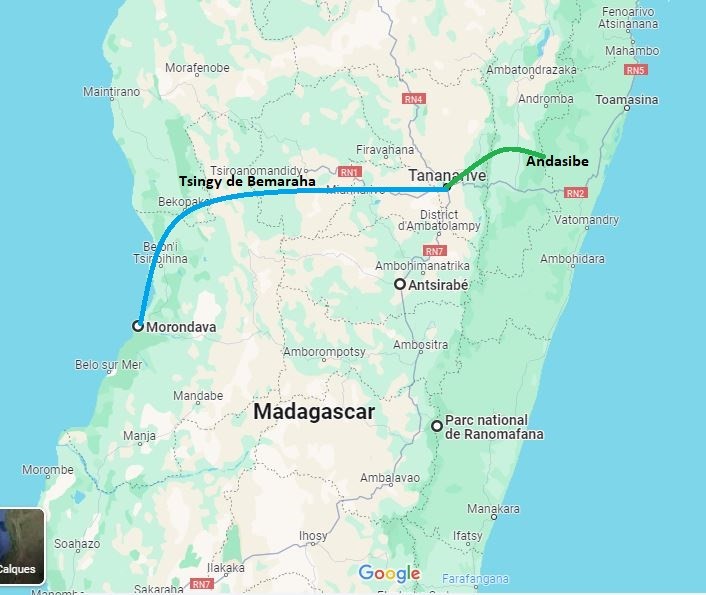
PLACES TO VISIT : Antananarivo – Andasibe – Tsingy de Bemaraha – Morondava
ACCOMODATION TYPE : Comfort (Half board)
TRANSPORT TYPE: Private car / Private charter plane / Helicopter
BACK TO ANTANANARIVO : Private charter plane
ASSISTANCE: Guide / Local Guide
DEPARTURE DATE
1st Group: JULY 24th, 2026 (Most recommended date for Senior Traveler)
2nd Group: SEPTEMBER 7th, 2026
(this tour is also available as a private tour departure, please feel free to reach out for more information)
Madagascar Flying Safary | Lemurs & Baobabs
Send download link to:

DAY 1 - ARRIVAL TIME IN ANTANANARIVO
Arrival in Antananarivo
Arriving at Ivato International Airport in Antananarivo marks the beginning of your Madagascar Flying Safari Tour. As soon as you land, an experienced representative from HT Agency Tours will warmly welcome you. This meet-and-greet service ensures that your arrival is smooth, comfortable, and efficient after a long international journey.
Airport Assistance and Smooth Arrival Process
Once you pass through customs formalities, your dedicated guide will assist you with the rest of the arrival procedures. In addition, they will help you with practical steps such as exchanging currency and setting up your phone with a local SIM card. These simple preparations make it easier to stay connected throughout your Madagascar Flying Safari Tour.
Your Transfer and Hotel Check-In
After completing all airport steps, you will be escorted to your private vehicle for a comfortable transfer to your hotel. Moreover, your guide will make sure everything is arranged correctly so you can check in without any difficulty. This allows you to relax, settle in, and prepare for the incredible experiences that await you on your Madagascar Flying Safari Tour.
LOCATION: ANTANANARIVO
ACCOMMODATION: NOVOTEL
INCLUSION : DINNER AND BREAKFAST
DRIVE: ABOUT 20MN DRIVE
DAY 2 – FLY FROM ANTANANARIVO TO ANDASIBE AND BACK TO THE CAPITAL
Helicopter Transfer to Andasibe
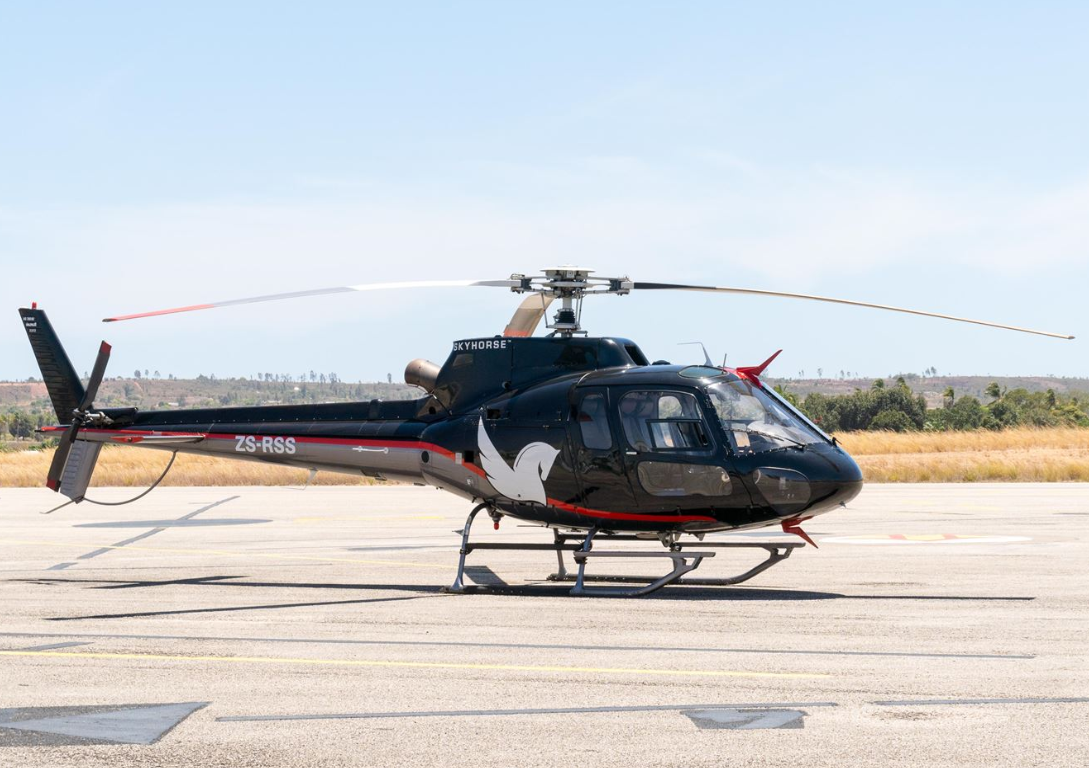
After breakfast, around 7:00 AM, your Madagascar Flying Safari Tour continues with a private helicopter transfer to Andasibe. As you fly east, you will enjoy panoramic views of terraced rice fields, rolling mountains, and lush green rainforest.
The flight lasts approximately 30 minutes, providing unforgettable aerial views before landing directly inside the world-renowned Andasibe–Perinet rainforest.
Exploring Analamazaotra during Your Madagascar Flying Safari Tour
Discovering Wildlife in Analamazaotra National Park
Your visit to Analamazaotra National Park is one of the highlights of this Tour. The guided walk lasts about three hours and begins with the iconic call of the Indri Indri, a sound that echoes through the forest from dawn until late morning, and again in the afternoon.
These magnificent lemurs, also called Babakoto, are the largest living lemur species, reaching up to one meter in height. Meeting them in their natural habitat is one of the most meaningful wildlife encounters in Madagascar.
Observing Lemurs and Rare Species
Andasibe is considered the best place in Madagascar to observe the Indri Indri because several families are habituated to human presence. Since the Indri cannot survive in captivity, Andasibe provides a rare opportunity to observe this species ethically and respectfully.
Moreover, the forest hosts 13 additional lemur species, including the diademed sifaka, brown lemur, red mouse-lemur, bamboo lemur, red-bellied lemur, black-and-white ruffed lemur, and even the mysterious aye-aye. During your Tour, your expert guide will make every effort to help you spot as many species as possible.
Cultural Discovery in Andasibe Village
In the afternoon, your adventure continues with a visit to Andasibe village, also known as the City of Waters. Here, you will stroll through the local market, observe Malagasy craftspeople at work, and enjoy a glimpse of daily life in this peaceful community.
This stop adds a meaningful cultural dimension to your journey and provides a pleasant contrast to your morning rainforest experience.
Close-Up Encounters at Vakôna Reserve
Lemurs Island Experience
Next, you will visit the famous Vakôna Reserve, a must-see highlight of any Madagascar Tour. On Lemurs Island, habituated lemurs approach visitors at close range, allowing you to enjoy an extraordinary, humane, and safe experience with these playful primates.
This encounter is often one of the most memorable moments for travelers.
Wildlife at Vakôna Reserve Zoo
Afterward, continue to the Vakôna Reserve Zoo, where you will observe a variety of wildlife species in well-maintained habitats. You will see:
-
Crocodiles in a large river enclosure
-
Native birds
-
Reptiles and other small forest species
This visit adds depth to your Madagascar Flying Safari Tour by combining wildlife, conservation, and education.
Return Flight to Antananarivo
Toward the late afternoon, you will board your helicopter for a scenic flight back to Antananarivo. As you return, you will have one last aerial view of the lush eastern rainforest before landing in the capital.
This smooth transfer ensures that your Tour remains comfortable, time-efficient, and perfectly paced.
LOCATION: ANTANANARIVO
ACCOMMODATION: NOVOTEL
INCLUSION : DINNER AND BREAKFAST
DRIVE: ABOUT 1H FLIGHT (ROUND TRIP)
DAY 3 – FLY FROM ANTANANARIVO TO TSINGY DE BEMARAHA AND MORONDAVA
Early Departure Toward the West
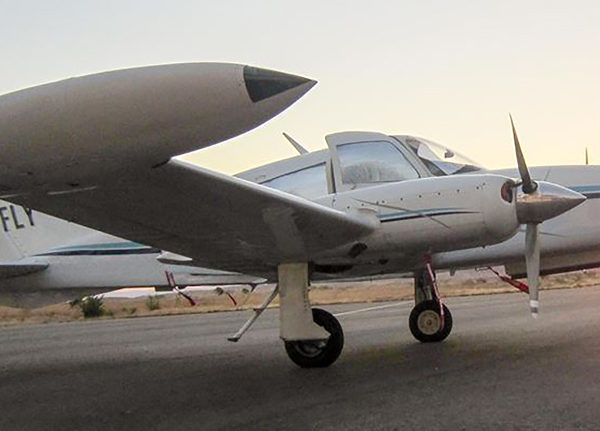
Today, we leave the hotel early, at 6:00 AM, to continue your Tour toward the western region of the island. After a light breakfast, you will board your private charter flight to Bekopaka, the gateway to the world-famous Tsingy de Bemaraha.
Scenic Aerial Approach to the Tsingy
Before landing, enjoy an unforgettable fly-over of the Tsingy de Bemaraha, offering a dramatic bird’s-eye view of sharp limestone formations, deep canyons, and untouched natural landscapes. This breathtaking approach is one of the most spectacular moments of any Madagascar Flying Safari Tour.
Exploring the Grand Tsingy During
Guided Visit to the Grand Tsingy
The flight to Bekopaka lasts around one hour. Upon arrival, your guide will lead you through the Grand Tsingy, a UNESCO World Heritage Site. Here, nature showcases a mesmerizing combination of towering limestone peaks, suspended bridges, and cathedral-like rock formations.
Diverse Flora of the Tsingy
The area is home to a variety of dry western deciduous forest species. During your walk, your guide will introduce you to plants adapted to this unique limestone environment, including:
-
Aloe species
-
Andasonia baobab
-
Red-flowered flamboyant tree
-
Musa perrier, Madagascar’s native wild banana
Additionally, rocky sections of the trail host pachypodiums, orchids, and numerous other endemic plants.
Remarkable Fauna in the Tsingy
As you continue exploring, you may encounter rare wildlife such as the stump-tailed chameleon (Brookesia perarmata). The region also shelters:
-
53 bird species
-
7 lemur species, including Decken’s sifaka (Propithecus verreauxi deckeni)
To complete the experience, your guide will organize a picnic lunch in a peaceful natural setting.
Charter Flight to Morondava and the Menabe Region
Arrival in Morondava
After lunch, you will board your private aircraft once more and fly toward Morondava, the capital of the Menabe region. This area is culturally rich and known for its traditional wooden royal tombs carved with symbolic decorations.
Upon arrival, a private transfer will take you to your hotel. After checking in, you will enjoy lunch at the hotel restaurant before setting out for an afternoon visit.
Visiting the Famous Baobab Avenue on Your Madagascar Flying Safari Tour
Discovering the Iconic Avenue of the Baobabs
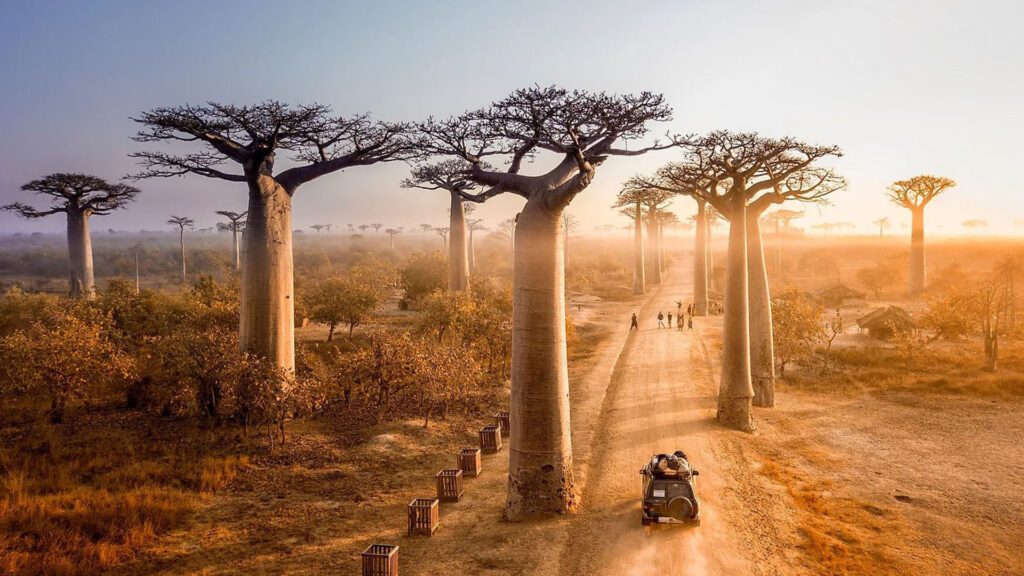
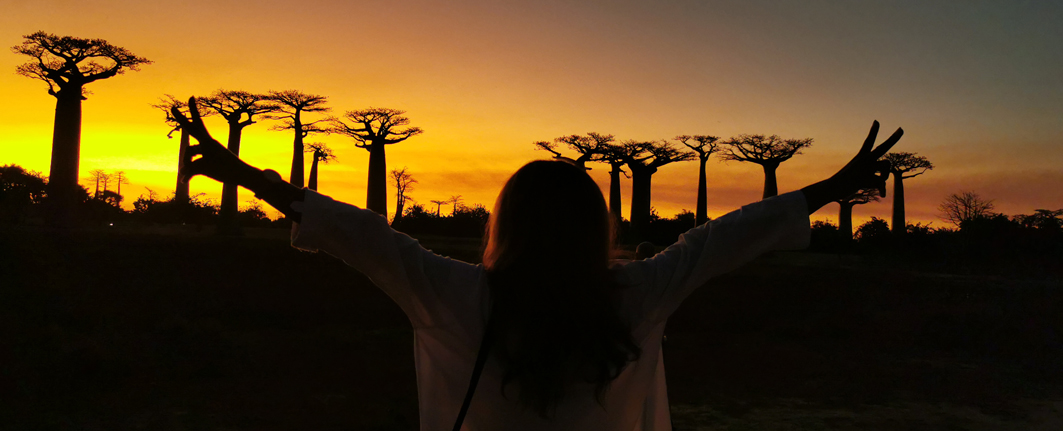
Later in the afternoon, your guide will take you to the legendary Avenue of the Baobabs (Allée des Baobabs). This impressive dirt road is lined with centuries-old Grandidier’s baobabs, the largest of the seven baobab species found in Madagascar.
During the visit, you will also discover the Baobab Amoureux, a pair of intertwined baobabs rich in local legend.
Sunset at Baobab Avenue
Finally, as the sun begins to set, admire the spectacular golden colors illuminating the monumental silhouettes of the baobabs. This is one of the most iconic photo opportunities of any Madagascar Flying Safari Tour. After enjoying the moment, your guide will drive you back to the hotel for a relaxing evening.
LOCATION: MORONDAVA
ACCOMMODATION: PALISSANDRE
INCLUSION: LUNCH, DINNER AND BREAKFAST
DRIVE: ABOUT 2H30MN FLIGHT
DAY 4 – FLY BACK FROM MORONDAVA TO ANTANANARIVO
Final Day of Your adventure
Morning Air Transfer Back to Antananarivo
After breakfast, your Tour continues with an air transfer back to Antananarivo, the capital of Madagascar. The flight offers one last opportunity to admire the island’s diverse landscapes from the sky.
Arrival and Transfer to the Craft Market
Upon arrival at Ivato Airport, our driver will welcome you and assist you with your luggage. Then, you will be driven to the famous craft market, where you can shop for handmade souvenirs, local artwork, spices, wooden sculptures, and other Malagasy creations. This stop is the perfect way to bring home a meaningful reminder of your journey.
Transfer to the International Airport for Departure
Once your shopping is complete, you will be transferred directly to Ivato International Airport for your outbound flight. Your guide will ensure a smooth departure, making the final moments of your Madagascar Flying Safari Tourcomfortable and stress-free.
LOCATION :ANTANANARIVO
DRIVE : 1H30 FLIGHT
END OF OUR SERVICES
All entrance fees and Local guide fees.
All private flight (Helicopter & Private Charter Plane)
Professional English-speaking driver / guide.
All land transportation
All accommodation with meals as specified in the itinerary.
Mineral water per person per day while you’re on tour/safari.
Picnic lunches in Tsingy de Bemaraha NP
International flights.
Visas
Driver guide Tips and staff
Personal Gratuities
Other extras.
Important Information
Program Management
Your guide will carefully manage all daily scheduling and program timings throughout your Madagascar Flying Safari Tour. This ensures that every activity runs smoothly, allowing you to enjoy a relaxed and well-organized travel experience.
Dietary Requirements
During the trip, the standard meals provided follow a regular diet, which typically includes meat, fish, dairy products, and seafood.
However, if you have any special dietary requirements, please inform us in advance. We will do our best to accommodate your needs whenever possible.
Accommodation Availability
Please note that the feasibility of the tour depends on the availability of the proposed accommodations. Because some lodges and hotels have limited capacity—especially in remote regions—we recommend early confirmation to secure all services.
Airline Schedule Changes
HT Agency Tours cannot be held responsible for any airline schedule changes that occur after your tour has been quoted or booked.
Nevertheless, we will make every possible effort to minimize disruptions to your itinerary. Even so, we cannot assume responsibility for any loss of funds, missed connections, additional expenses, or other services that were prebooked or prepaid.
Discover Andasibe, Tsingy de Bemaraha & Morondava
This exceptional itinerary takes you from Antananarivo to Andasibe, Tsingy de Bemaraha, and Morondava, three of Madagascar’s most iconic and biologically rich destinations. Each region reveals a different facet of the island—from lush rainforests to sharp limestone cathedrals and monumental baobab landscapes.
Andasibe–Mantadia National Park
Overview of Andasibe–Mantadia
Located about 150 km east of Antananarivo, Andasibe–Mantadia National Park is reachable in 3 to 4 hours by car, but it becomes significantly more accessible during your Tour. The protected area includes two main sections:
-
Analamazaotra Special Reserve (Perinet)
-
Mantadia National Park
Because of its biodiversity and excellent wildlife viewing opportunities, Andasibe–Mantadia is one of the most visited sites in Madagascar. It is especially famous for its remarkable lemur diversity.
Fauna of Andasibe–Mantadia
Andasibe–Mantadia is considered one of the best primate-watching regions in the world. The park shelters 14 lemur species—both diurnal and nocturnal—including:
-
Indri Indri (the largest living lemur)
-
Aye-Aye
-
Goodman’s mouse lemur
-
Crossley’s dwarf lemur
-
Eastern woolly lemur
-
Diademed sifaka
-
Occasionally the southern black-and-white ruffed lemur
Moreover, scientists have recorded:
-
51 reptile species
-
84 amphibian species
-
72 mammal species
-
117 bird species
-
Several insectivorous bat species
Mantadia is also recognized as one of the top bird-watching sites on the island.
Flora of Andasibe–Mantadia
The lush vegetation of this rainforest includes:
-
Evergreen trees
-
Palms
-
Ferns and mosses
-
Hardwood species
-
Pandanus
-
Bamboo
-
Numerous epiphytic plants
The park is also famous for its 120 orchid species, all endemic to Madagascar. These orchids bloom mainly between September and January, adding breathtaking color to the rainforest canopy.
Tsingy de Bemaraha
Introduction to a UNESCO World Heritage Site
Situated in western Madagascar, about 200 km from Morondava, the protected area of Bemaraha covers more than 150,000 hectares. It is home to the Tsingy de Bemaraha National Park, one of the most spectacular natural landscapes in both Madagascar and the world.
This dramatic geological formation is one of the key highlights of a Madagascar Flying Safari Tour.
The Geological Formation of the Tsingy
The “Tsingy” are razor-sharp limestone pinnacles that began forming millions of years ago, when the region was still submerged beneath the sea. Over time, corals and shells compacted into thick limestone layers. As the land eventually rose above sea level, erosion created:
-
Deep canyons
-
Vertical fractures (diaclases)
-
Narrow tunnels
-
Towers and needle-shaped formations
Rainwater, naturally acidic, sculpted the dramatic stone spires seen today. As a result, Tsingy de Bemaraha is often described as a limestone cathedral, a natural masterpiece recognized by UNESCO for its geological and ecological significance.
Fauna of the Tsingy
Bemaraha offers one of the highest levels of endemism in Madagascar, with scientists estimating 80–90% of species recorded in the park exist nowhere else.
Notable fauna includes:
-
17 rare reptile species, including the miniature chameleon Brookesia perarmata
-
Nesomys lambertoni, a rodent species found only in this park
-
11 lemur species
-
6 bird species unique to the region
-
2 locally endemic amphibian species
This exceptional biodiversity makes the Tsingy one of the most rewarding locations on your Madagascar Flying Safari Tour.
Flora of the Tsingy
More than 600 plant species thrive in this harsh limestone environment, including:
-
Baobabs
-
Aloes
-
Flamboyant trees
-
Succulent plants
-
Drought-tolerant shrubs
-
Numerous endemic species adapted to rocky terrain
The flora adds vibrant color and contrast to the dramatic stone formations.
Baobab Avenue
The Iconic Avenue
Located near Morondava, the Avenue of the Baobabs is one of Madagascar’s most photographed landscapes. Around ten towering Adansonia grandidieri trees—some over 800 years old—border this ancient sandy road. Known locally as “Renala,” meaning “Mother of the Forest,” these trees are living relics of Madagascar’s once-dense tropical forests.
Historical and Environmental Importance
These baobabs did not develop in an open landscape. Instead, they once flourished in a dense forest, of which only 10% remains today. As human populations expanded, forests were cleared for agriculture. Yet, the baobabs survived because local communities protected them for their practical uses and cultural value.
Today, the Avenue of the Baobabs is a must-see moment of any Safari Tour, especially at sunset, when the sky turns gold and silhouettes of the ancient trees create breathtaking scenery.
Climate Information
Madagascar has a tropical climate, although temperatures vary significantly by region. In the central highlands—including Antananarivo and Andasibe—nights can drop to 5°C (41°F) during July and August, so warm layers are essential.
The dry season extends from March to October, often continuing into November in many regions. However, the east coast experiences its most pleasant weather during March–May and September–November. It is important to note that January to March is considered cyclone season, particularly on the eastern side of the island.
Regional Climate Highlights
-
Southwest Madagascar is generally hot, dry, and semi-arid.
-
March–April is ideal for viewing flowers and reptiles.
-
November (spring) is often the best month for wildlife and birdwatching.
-
Lemurs, however, can be seen year-round.
Because Madagascar’s weather patterns can be unpredictable, it is always wise to prepare for sudden changes.
Altitude Levels of Key Destinations
Understanding altitude helps you anticipate temperature variations during your Madagascar Flying Safari Tour.
-
Antananarivo: 1,300 m
-
Andasibe: 964 m
-
Bekopaka (Tsingy de Bemaraha): 334 m
-
Morondava: Maximum 22 m, with an average elevation of 6 m above sea level
Higher altitudes often mean cooler nights, so appropriate clothing is recommended.
Recommended Equipment
Essential Gear
During your tour, HT Agency Tours provides practical items such as torches for night walks and a refillable water bottle. However, we strongly recommend bringing:
-
A camera with spare batteries or charger
-
Binoculars
-
Swimwear and a beach towel
-
Lightweight waterproof pants (ideal for rainforest hikes)
-
Comfortable, lightweight walking boots or trainers
Walking poles may also be useful, especially in Ranomafana National Park and Andasibe.
Clothing Recommendations
While most regions are warm, temperatures can drop dramatically in high-altitude destinations. Therefore:
-
Pack lightweight clothing for daytime activities
-
Add a warm sweater or jacket for cool evenings
-
Bring rainwear, as occasional showers are common even during the dry season
-
Include warmer layers for travel during June–September, when nights can be cold
These clothing choices ensure comfort and safety throughout your Madagascar Flying Safari Tour.
FAQs
1. What is a Flying Safari Tour?
A Madagascar Flying Safari Tour is a premium travel experience that uses private aircraft or helicopters to explore remote national parks, rainforests, and coastal areas quickly and comfortably. It reduces long road travel and offers aerial views, exclusive access, and more time in wildlife destinations.
2. Why choose a Flying Safari Tour instead of a road tour?
A flying safari saves several days of road travel, avoids rough terrain, and provides access to parks that are difficult to reach by car. It also enhances comfort, safety, and wildlife viewing time—especially for travelers with limited vacation days.
3. How long should a Madagascar Flying Safari Tour be?
Most travelers choose between 7 to 14 days, depending on how many regions they want to explore. A 10-day itinerary is ideal for combining rainforests, Tsingy de Bemaraha, baobab landscapes, and island beaches.
4. What destinations are included in a Madagascar Flying Safari Tour?
The most common destinations are:
-
Andasibe–Mantadia National Park
-
Tsingy de Bemaraha National Park
-
Morondava & Avenue of the Baobabs
-
Masoala National Park
-
Anjajavy Private Reserve
-
Nosy Be & private islands
These regions are chosen for wildlife, scenery, and flight connectivity.
5. Is a Flying Safari Tour safe?
Yes. Flights are operated by certified aviation companies that follow strict safety standards. Moreover, experienced pilots and guides ensure safe landings, weather monitoring, and secure travel throughout your journey.
6. How much does a Madagascar Flying Safari Tour cost?
Prices vary depending on aircraft type, season, and accommodation level.
Typical ranges:
-
Mid-range: $5,500–$7,500 per person
-
Luxury: $9,000–$15,000 per person
-
Ultra-luxury: $20,000+ per person
All domestic flights and charters are usually included.
7. When is the best time to book a Madagascar Flying Safari Tour?
The best months are June to October, during the cool and dry season. For orchids, reptiles, and certain bird species, November is excellent. Avoid January–March, which is cyclone season on the east coast.
8. What wildlife can I see during a Flying Safari Tour?
Expect to see:
-
Indri Indri
-
Sifakas (diademed, Coquerel’s, Decken’s)
-
Mouse lemurs
-
Chameleons and leaf-tailed geckos
-
Baobab forests
-
Rare birds
-
Whales (July–September in the north)
Some species are visible only in remote parks reached by air.
9. What should I pack for a Flying Safari Tour in Madagascar?
Pack lightweight clothing, hiking shoes, rain protection, a warm layer for cold nights, binoculars, spare batteries, insect repellent, swimwear, and a soft travel bag (required for small aircraft).
10. Are meals and dietary requirements included in the tour?
Most tours include full-board meals. Dietary needs such as vegetarian, gluten-free, or dairy-free can be accommodated with prior notice. However, options may vary depending on how remote the lodge is.
11. Do I need travel insurance?
Yes. Comprehensive travel insurance is strongly recommended, especially for medical assistance, flight delays, and evacuation coverage. Remote regions often have limited medical facilities.
12. Are the aircraft used for a Madagascar Flying Safari Tour reliable?
Absolutely. Operators typically use modern, well-maintained aircraft such as Cessna Grand Caravan, Let-410, and Eurocopter AS350 helicopters, all maintained under strict safety regulations.
13. Can families with children join a Flying Safari Tour?
Yes. Many lodges offer family rooms, and short flight durations make the trip easier for children. Wildlife encounters and gentle hikes are also ideal for families.
14. Is a Flying Safari Tour suitable for photographers?
Definitely. Flying safaris provide spectacular aerial viewpoints, dramatic landscapes, and access to wildlife-rich forests. Sunrise and sunset flights over baobabs or the Tsingy provide exceptional photography opportunities.
15. How early should I book a Flying Safari Tour?
It is recommended to book 6–12 months in advance, especially for peak season (June–October) because some lodges and aircraft have very limited availability.
16. Do I need a visa for Madagascar?
Yes. Travelers from the USA, UK, and Canada require a tourist visa, which can be obtained on arrival or online (e-visa). A valid passport with at least six months remaining is required.
17. Will I experience altitude changes during the tour?
Yes. Antananarivo (1,300 m) and Andasibe (964 m) are relatively cool at night, while western destinations such as Morondava are near sea level and much warmer.
18. Is the Tsingy de Bemaraha safe to visit?
Yes, when accompanied by a certified guide. The circuits include harnesses, ladders, and safety equipment. A flying safari also avoids the long, rough roads leading to the park.
19. What makes Madagascar Flying Safari Tours unique compared to other African safaris?
Unlike traditional African safaris focused primarily on large mammals, Madagascar offers:
-
Lemurs
-
Rainforest ecosystems
-
Unique geology (Tsingy)
-
Baobab forests
-
Marine life
-
Species that exist nowhere else on Earth
The flying safari allows you to efficiently connect these very diverse habitats.
20. Can I customize my Flying Safari Tour?
Yes. Tours can be personalized with private islands, helicopter excursions, cultural visits, luxury lodges, whale-watching, diving, or extended wildlife exploration depending on your interests.